Navigating the Trials of my Own Creations within Ai Generated Images
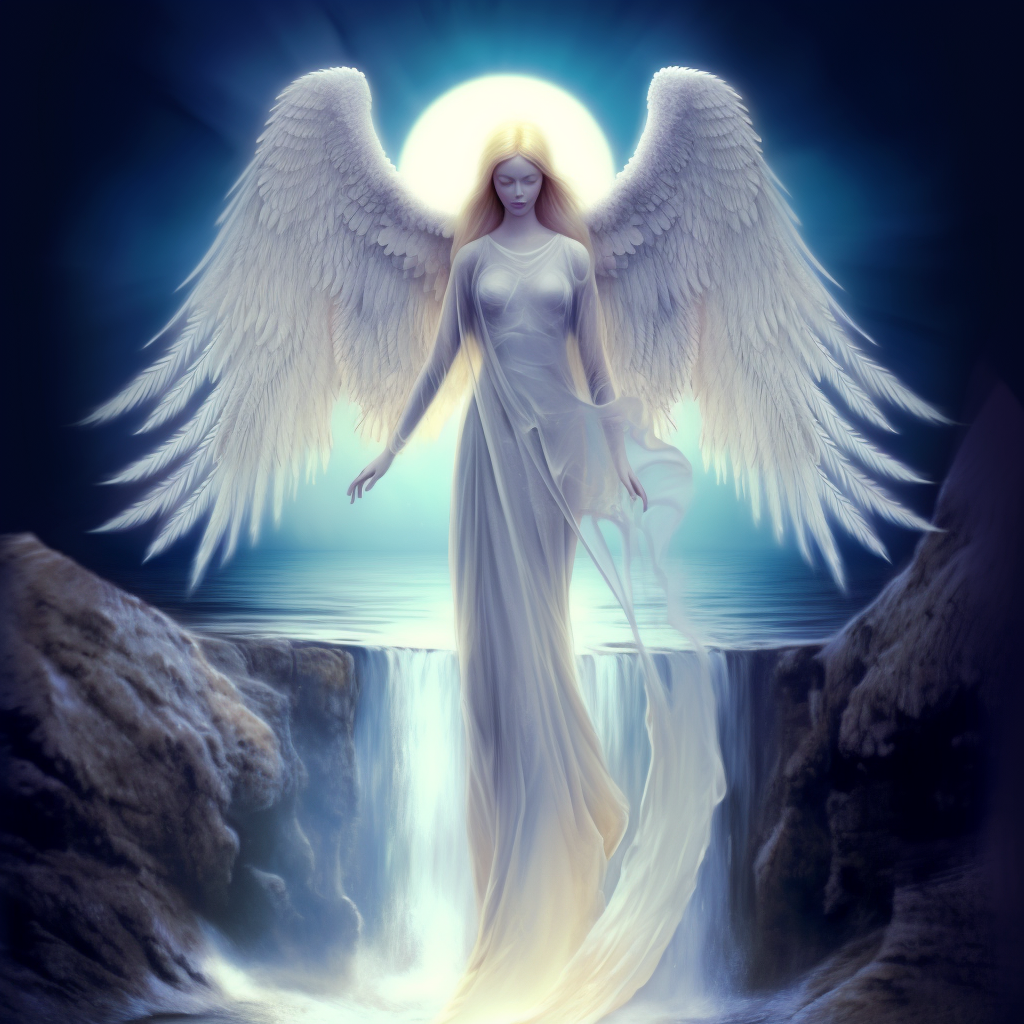
Ai generated, this is what the original looked like…..whats wrong with this? face is distorted, hands out of alignment, dress is torn, to me that’s messy! and definitely not ready for a print!
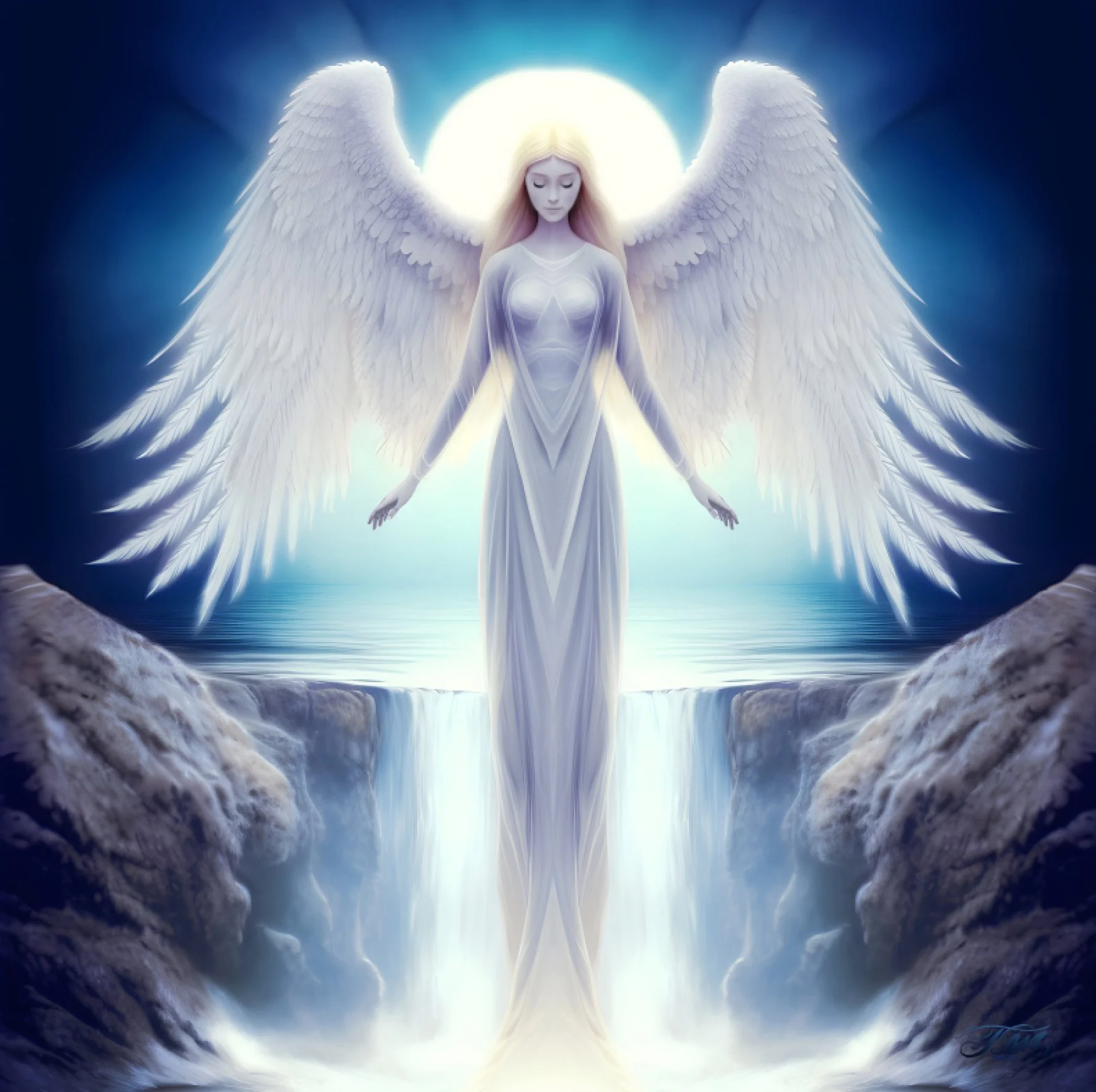
I went over the face and painted within photoshop, made the hands symetrical so they look more in alignment with her body, went over the gown, and is now ready for printing, but I wasn’t finished!
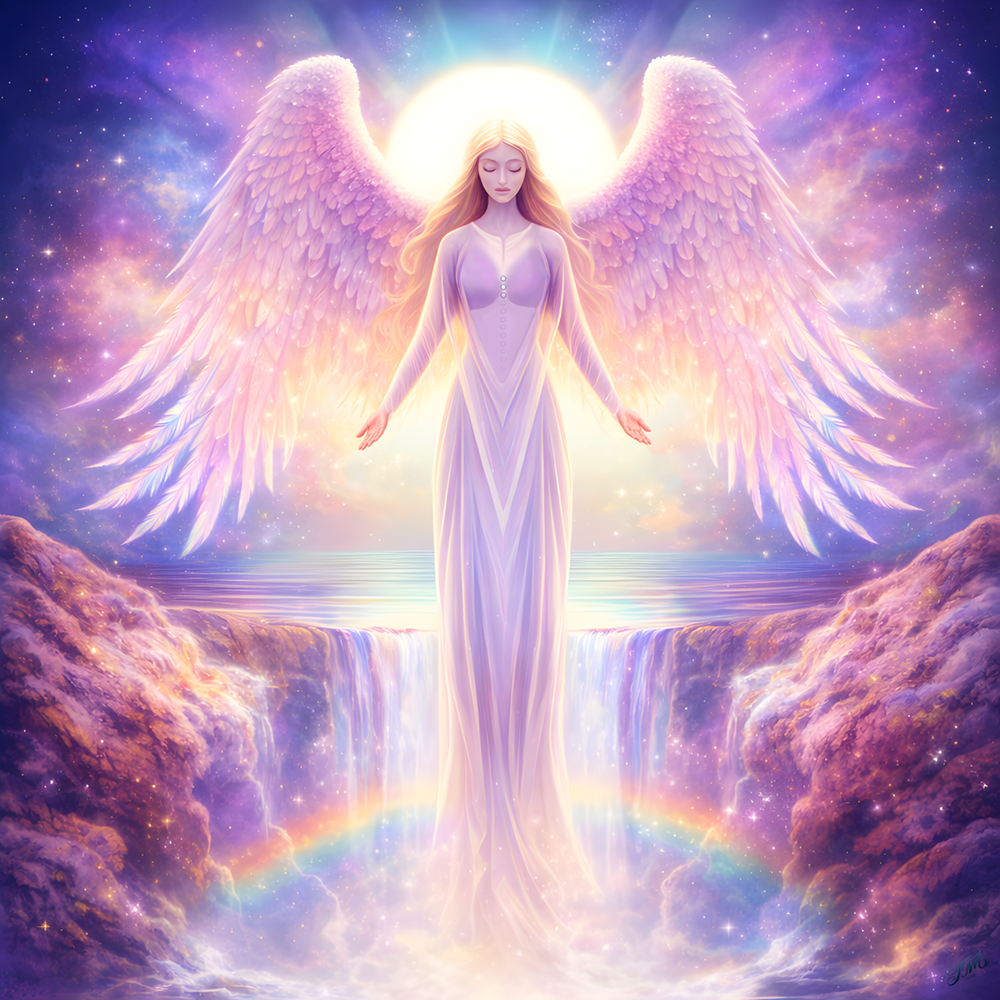
My finished Angel Blessing wall art that is now ready for print. Cleaned, happy with the hands I recreated, defined her facial features more and put more colour into the image and made the overal image beautiful with spiritual lighting and rainbow.
Writen by Tanya Mavric on 31/10/2024
In the world of creativity, the advent of AI art has sparked both excitement and challenges. As artists, we’re drawn to the promise of generating stunning visuals with just a few prompts. However, the reality often involves a delicate dance of trials and adjustments, especially when it comes to preparing our creations for the printing industry.
At first glance, AI-generated images can be mesmerising. The colours pop, the compositions intrigue, and the potential seem limitless. Yet, the journey from concept to final print can reveal an unexpected truth: AI doesn't always deliver precisely what we envision. Sometimes, our prompts don’t yield the expected results. Other times, the images that look fantastic on a small scale may not hold up under the scrutiny of larger formats.
One of the most common hurdles is the disparity between resolution and clarity. When I first create an image at 72 DPI which is the standard output for Ai generated images, it often looks good on screen, but as soon as I need to upscale it to 300 DPI for printing, I find myself facing a blur of frustration. It’s in these moments that my role as an artist becomes crucial. While there are tools out there for upscaling images, they can’t always reclaim the clarity or vibrancy needed within the printing industry, it’s not how I work, my images must be cleaned and ready!
So, what do I do with images that don’t quite make the cut? Sometimes, the best choice is to let them go, but other times, I feel an attachment that compels me to keep them. In these instances, I dive into Photoshop, layering my creativity on top of the AI’s foundation. I’ll most of the time draw and paint my own elements—trees, flowers, or any missing detail—to create a cohesive image that meets my standards. Even with tools like Photoshop's generative fill, I often find myself refining the AI’s output, ensuring it aligns with my vision.
So much time can be wasted trying to get ai generative fill to a particular part of an image and so I draw and paint my own elements for the perfect fit. This by the way can take hours, one particular image I spent 3 weeks on layering with my own trees, bushes, waterfall amongst other elements, making sure the positioning looked and felt just right for an autumn scene that had two wolves. That image was licensed out.
This process taught me something profound: creativity is not a straight path but a winding journey. Embracing the imperfections and navigating the challenges can lead to unexpected breakthroughs. Every trial with AI art invites us to engage more deeply with our craft, reminding us that our artistic ability is irreplaceable!
So, if you find yourself grappling with the limitations of AI-generated art, remember that you are not alone. Each challenge presents an opportunity to grow, refine, and discover new dimensions of your creativity. Embrace the mess, explore the layers, and let your imagination flourish. The journey may be intricate, but the rewards are worth every moment spent in exploration.
For the images you see above, the original image, you can see it’s blurred out to a degree. The face isn’t quite right, the hands are distorted, and the dress appears torn and billowing in ways that don’t align with my vision. This serves as a reminder that even the most captivating colours and concepts can fall short in execution.
Where I began with this image was with the face. I reworked it using my own painting materials within Photoshop, taking the time to create a more accurate and expressive portrayal. I also focused on the hands, utilizing Photoshop's painting tools to ensure they looked symmetrical and natural. Next, I addressed the torn parts of the dress, transforming it into something that resembled an angelic warrior dress—fitting for the ethereal theme I envisioned. I didn’t stop there; I also refined the waterfall in the background, enhancing its flow and clarity. After making these adjustments, I turned my attention to exposure and sharpness, especially crucial after blowing the image up to a 300 DPI resolution. Each step in this meticulous process brought me closer to the vision I had in mind. Then came the final print ready image, full of colour that I had created within photoshop.
It takes time, and sometimes a lot of time! the images you see on my website are my own creations within ai and most of them if not all of them I have worked on to some degree to get it to a point of print worthy art. Sometimes my own artwork whether its painting or doodles, but that's for another blog for another time!
As I reflect on my journey in the art scene, I am continually inspired by the interplay between technology and creativity. Each image, whether born from AI or my own hand, is a stepping stone that leads me deeper into my artistic exploration. The challenges I face within the digital creations—blurring details, misaligned visions, and the need for meticulous refinement—are not obstacles, but rather opportunities for growth and innovation.
Every adjustment, every layer added, is a testament to my commitment to creating something truly unique. This process has taught me the value of patience, the importance of personal touch, and the joy of transforming chaos into beauty.
In a world where art can be generated at the click of a button, I strive to infuse my work with intention and soul, ensuring that my artistic ability remains clear and resonant. I want my clients to be happy with what I am producing, not a messy printable tile with blurs and misprints!